What Is Lead Flashing and What Does It Do?
Lead flashing is a thin sheet of lead used to seal and waterproof the vulnerable junctions where different roof elements meet — or where the roof meets a vertical surface such as a chimney stack or parapet wall. Anywhere that roof tiles alone cannot form a watertight seal, lead flashing bridges the gap.
The reason lead is used rather than any other material comes down to a combination of properties no other readily available material has matched: it is dense enough to be completely waterproof, soft enough to be worked and shaped on site without cracking, and chemically stable enough to remain intact for decades in outdoor conditions. It can be cut, bent, and dressed into virtually any shape, making it the natural choice for complex roof geometries, period properties, and anywhere a reliable long-term seal is non-negotiable.
Where Is Lead Flashing Used on a Roof?
Lead flashing appears at multiple points on most traditionally built roofs. Each location serves a specific function, and each has its own installation requirements:
Chimney Stacks
The junction between a chimney stack and the roof surface is one of the most water-vulnerable points on any house. Lead is dressed around the stack in multiple pieces, front apron, step flashings up the sides, back gutter at the rear, and cover flashings tucked into the mortar joints, to create a fully weatherproof seal at every angle.
Roof Valleys
Where two roof slopes meet to form an internal angle, a valley is formed. Valleys channel significant volumes of rainwater and need a robust, continuous waterproof lining. Open lead valleys, where the lead remains visible between the cut tile edges, are the traditional solution and still the most durable option available.
Abutments and Wall Junctions
Where a roof slope meets a vertical wall, for example at a dormer, a party wall, or a lean-to extension, step flashings and apron flashings are used to seal the junction. The step flashings interlock with the masonry courses, while the apron covers the foot of the wall and laps over the tiles or slates below.
Skylights and Roof Windows
Roof windows and skylights penetrate the roof surface and require flashing at all four sides to prevent water from tracking between the frame and the surrounding tiles. Lead soakers and cover flashings provide a watertight seal that flexes with the movement of the surrounding roof structure.
Pipe and Vent Penetrations
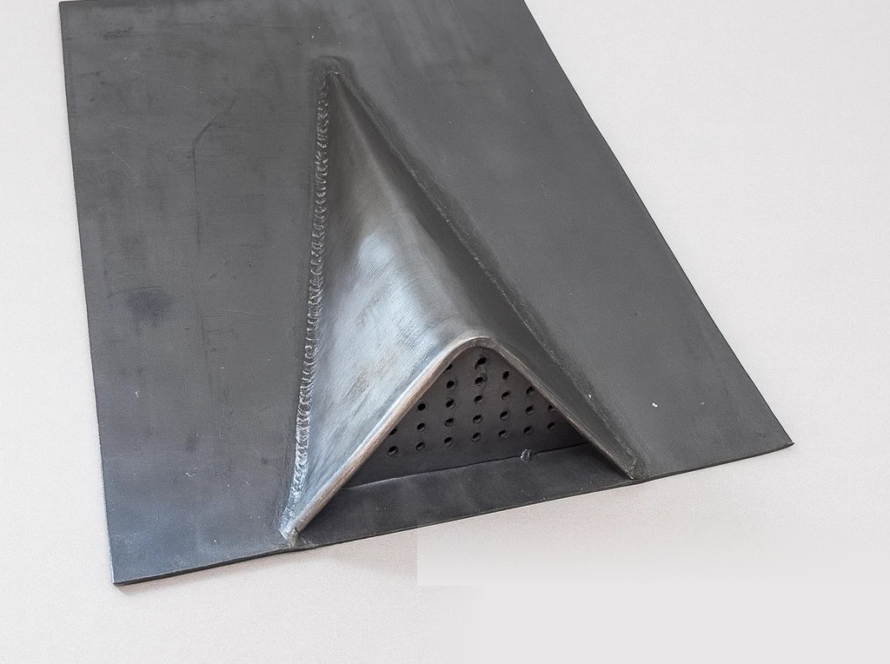
Any pipe, vent, or flue passing through the roof covering needs a weatherproof seal around it. Lead pipe flashings and lead slates are cast to accept a range of pipe diameters and are dressed down onto the surrounding tiles to seal the penetration against rain entry.
How Long Does Lead Flashing Last?
When correctly specified and installed, lead flashing typically lasts between 60 and 100 years, and in many cases, considerably longer. You will find original lead flashings still performing on Victorian terraces, Georgian townhouses, and medieval churches across the UK. This is not unusual; it is what lead does when it is given the chance.
The economic argument is straightforward. Lead costs more upfront than felt, aluminium, or bitumen alternatives. But a single lead installation that lasts a century represents far better value than three or four replacements of a cheaper material, each of which incurs not just material costs, but labour, scaffolding, and the risk of water damage during any period of failure.
For UK roofers, specifying lead also reduces callbacks. A chimney or valley flashed in properly installed lead is a job that does not come back.
Factors That Determine How Long Your Lead Flashing Will Last
While lead is inherently durable, the actual service life of any installation depends heavily on the following factors:
1. Installation Quality, The Single Biggest Factor
Perfectly good lead, badly installed, can fail within a few years. The most common installation errors that cause early failure are well documented:
- Sections cut too long: The maximum length for any single piece of lead flashing is 1.5 metres. Longer pieces cannot accommodate thermal movement and will develop fatigue cracks at fixed points. This is probably the most frequently made error on DIY and budget installations.
- Insufficient overlap: Adjacent sections must overlap by a minimum of 100mm. Insufficient overlap allows wind-driven rain to track through the joint.
- Wrong lead code: Using Code 3 where Code 4 or 5 is required is a false economy. Thinner lead fatigues more quickly and is more vulnerable to physical damage.
- Shallow mortar chases: The chase cut into the brickwork to receive the flashing must be a minimum of 25mm deep. Shallower chases allow the flashing to pull free.
- Aluminium fixings: Aluminium nails and clips react with lead in the presence of moisture, causing galvanic corrosion. Always use copper nails and lead or stainless steel clips.
- No expansion joints: On longer runs, expansion joints must be provided at appropriate intervals to allow the lead to move without stress concentration.
2. Roof Design and Pitch
Steeper roof pitches shed water more quickly, reducing the time water sits in contact with flashings. Complex rooflines — with multiple chimneys, dormers, and valleys — create more junctions, each of which represents a potential failure point if not carefully detailed. The geometry of the roof also affects thermal movement: south-facing slopes heat up more rapidly and experience greater temperature differentials, placing more demand on the flashing’s ability to flex.
3. Environmental Exposure
Where a property is located and which direction it faces affects how hard the lead has to work:
- Coastal locations: Salt-laden air accelerates surface weathering. Properties within a few miles of the coast should consider a heavier lead code as a precaution.
- South and west aspects: These roof slopes receive the most weather exposure in the UK — more direct sun, more wind-driven rain — and tend to age slightly faster than sheltered north-facing slopes.
- Temperature extremes: More pronounced seasonal temperature swings create more thermal movement cycles, which over decades places cumulative stress on sections that are not free to move.
4. Building Movement
All structures move over time — through thermal expansion and contraction of the building fabric, natural settlement, and wind loading. Lead flashing installed with adequate expansion joints and correct fixing methods can accommodate this movement indefinitely. Where fixings are too rigid, or expansion joints are absent, repeated stress at the same points will eventually cause cracking.
5. Heritage and Older Properties
Period properties present specific challenges. Existing lead may carry evidence of previous repairs — mastic patches, historic cracking, or sections that have been re-fixed several times. Irregular or handmade brickwork can make it harder to cut a consistent mortar chase, and irregular coursing may complicate step flashing layouts.
On listed buildings or in conservation areas, planning and conservation requirements often specify traditional materials and methods. Cast lead products manufactured to current specifications will meet these requirements while delivering the same long-term performance, and today’s recycled lead products are functionally identical to historically used lead when cast to the correct specification.
FAQ: Lead Flashing Lifespan and Installation
Can lead flashing really last 100 years?
Yes, this is not an exaggeration. There are hundreds of UK buildings where the original lead flashings, installed a century or more ago, are still doing their job. The key conditions are correct specification for the application, skilled installation, and periodic inspection. When those three things are in place, 100 years of service life is genuinely achievable.
What is the most common reason lead flashing fails prematurely?
Poor installation accounts for the vast majority of early failures. The most common specific causes are individual sections cut too long (causing fatigue cracking from thermal movement), insufficient overlap at joints, and mortar chases that are too shallow to properly retain the flashing. These are avoidable errors.
How often should lead flashing be inspected?
An annual visual check is a sensible baseline for any property owner, with an additional check after severe storms. If you notice signs of water ingress at any point, that should be investigated immediately rather than waiting for the next scheduled inspection.
Should I repair or replace old lead flashing?
Isolated small cracks or a minor lifted edge in otherwise sound lead are worth repairing, especially if the lead is still relatively thick and in good condition overall. However, widespread fatigue cracking, lead that has been patched multiple times, or sections that are clearly at the end of their service life are better replaced. Repeated patch repairs are often more expensive over time than a clean replacement.
Does lead weight affect the roof structure?
Lead is denser than alternative materials, but its use in flashing applications is limited to relatively narrow strips and junction pieces. The additional weight at flashings is negligible in the context of the overall roof structure and does not typically require any structural assessment. For flat roof coverings in lead, the weight is more significant and should be considered by the designer.
Does lead flashing need painting or coating?
No. Lead is a self-protecting material. Its natural patina develops over the first weeks and months of exposure, and this surface layer is what makes it so durable. No paint, coating, or treatment is required or recommended on correctly installed lead flashing. The one product that is applied at installation, patination oil — is a light treatment to encourage early patina development and prevent runoff staining, not a protective coating in the conventional sense.
Is recycled lead as good as new lead?
Yes, provided it is properly refined. Lead is one of the most recyclable metals in common use, and correctly refined recycled lead is chemically and mechanically identical to lead produced from ore. At Custom Lead, our products are cast from 100% recycled lead refined to 99.9% purity, the same standard as virgin lead, with a significantly lower environmental footprint.
Lead Flashing Products from Custom Lead
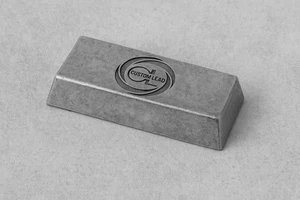
Our product range includes chimney flashings, lead slates, pipe flashings, lead roof vents, lead ingots, cast lead letters and motifs, and a full range of roofing accessories including copper nails and hall clips. Whether you need a single component or a complete set of flashings for a complex roofline, we dispatch quickly across the UK.
Browse our full range at customlead.co.uk